
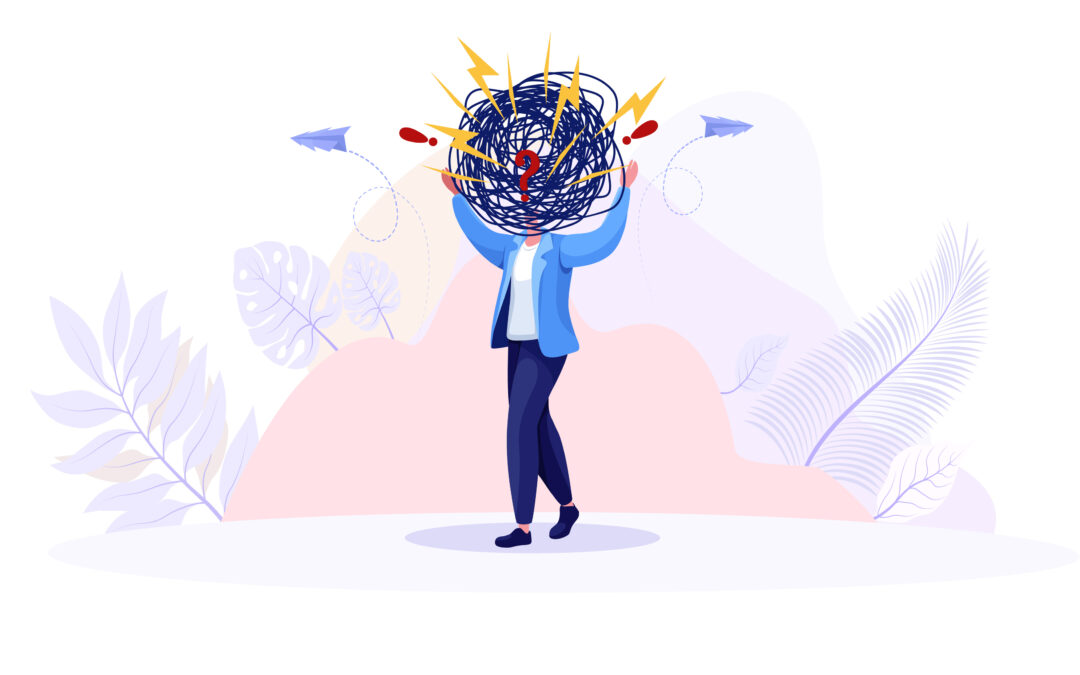
Overthinking can feel like being stuck in mental quicksand. The more you try to find the “right” answer or replay conversations for reassurance, the deeper you sink into worry and doubt. For many people, overthinking becomes a habit that disrupts sleep, increases anxiety, and makes everyday decisions feel overwhelming.
At Life Connections, we often meet individuals who are exhausted from living inside their own minds — not because they want to overthink, but because it has become their primary way of coping with uncertainty. Understanding why overthinking happens is the first step toward breaking the cycle.
Why do people overthink?
Overthinking is often rooted in fear, stress, or the desire to avoid emotional discomfort. Common causes include:
-
Anxiety or generalized worry
-
Past experiences of criticism or rejection
-
Trauma or unresolved emotional wounds
-
Perfectionism and fear of making mistakes
-
Uncertainty about the future
-
Difficulty trusting oneself
-
Feeling responsible for others’ emotions
Though it may begin as an attempt to feel safe or prepared, overthinking actually increases stress and makes it harder to respond clearly or confidently.
Signs you may be stuck in an overthinking loop
Overthinking can take several forms, including:
-
Replaying situations repeatedly (“Did I say the wrong thing?”)
-
Imagining worst-case scenarios
-
Trying to predict how others feel or think
-
Overanalyzing decisions — even small ones
-
Feeling mentally tired but unable to stop thinking
-
Second-guessing yourself throughout the day
-
Difficulty relaxing or enjoying quiet moments
These patterns can interfere with sleep, relationships, work performance, and emotional well-being.
How overthinking affects your mental health
When your mind is constantly looping, your nervous system remains in a heightened state of alert. Over time, this can lead to:
-
Increased anxiety
-
Irritability and frustration
-
Difficulty concentrating
-
Trouble making decisions
-
Emotional fatigue or burnout
-
Avoidance of situations that feel uncertain
-
Reduced confidence and self-trust
Without support, many people begin to feel disconnected from themselves or overwhelmed by everyday stress.
Strategies to break the overthinking cycle
While overthinking may feel involuntary, small, consistent changes can significantly reduce mental looping. Helpful strategies include:
Name what’s happening.
Acknowledging that you are stuck in a mental loop helps interrupt the cycle.
Shift your attention.
Grounding techniques such as deep breathing, counting objects in the room, or sensory exercises can help bring you back to the present moment.
Schedule “worry time.”
Setting aside 10–15 minutes each day to think through concerns can reduce rumination during the rest of your day.
Challenge perfectionism.
Remind yourself that mistakes are part of being human — not something to fear.
Talk it out.
Sharing your thoughts with a therapist can help you explore the roots of your overthinking and develop healthier coping tools.
Practice decision-making in small steps.
Start with low-risk decisions to rebuild confidence and reduce fear of “getting it wrong.”
With practice, your mind can learn to rest — but it often takes support to get there.
How therapy can help you find mental clarity
A trained therapist can help you:
-
Identify the underlying emotions driving overthinking
-
Build emotional regulation skills
-
Challenge unhelpful thought patterns
-
Strengthen confidence and self-trust
-
Understand past experiences shaping your responses
-
Create healthier routines and boundaries
At Life Connections, we work collaboratively and compassionately with individuals who feel trapped by their thoughts. Through evidence-based approaches and relational support, you can learn how to quiet mental noise and reconnect with a calmer, more grounded version of yourself.
Overthinking doesn’t have to define your life. With support, you can move from mental looping to clarity, confidence, and peace.
Part of the Pathway Healthcare Network
Life Connections is proud to be part of the Pathway Healthcare network — a system of care providers dedicated to behavioral health and substance use treatment. Learn more about the Pathway Extended Network here.
Explore Our Extended Network:
Because Life is All About Connections
Life Connections provides mental health services in our 12 office locations and approved schools across Iowa. Life Connections was founded in March of 2009 with the intent to serve the children and families of Cedar Rapids and surrounding cities.
Life Connections is a highly professional and caring counseling and behavioral health provider. We offer a wide array of services to treat mental health issues.
For more information and support, please Contact Us
Start Your Services
Start Mental & Behavioral Health Services with Life Connections | Because life is all about connections.